Navigating Life Post Stem Cell Transplantation
22 July, 2026
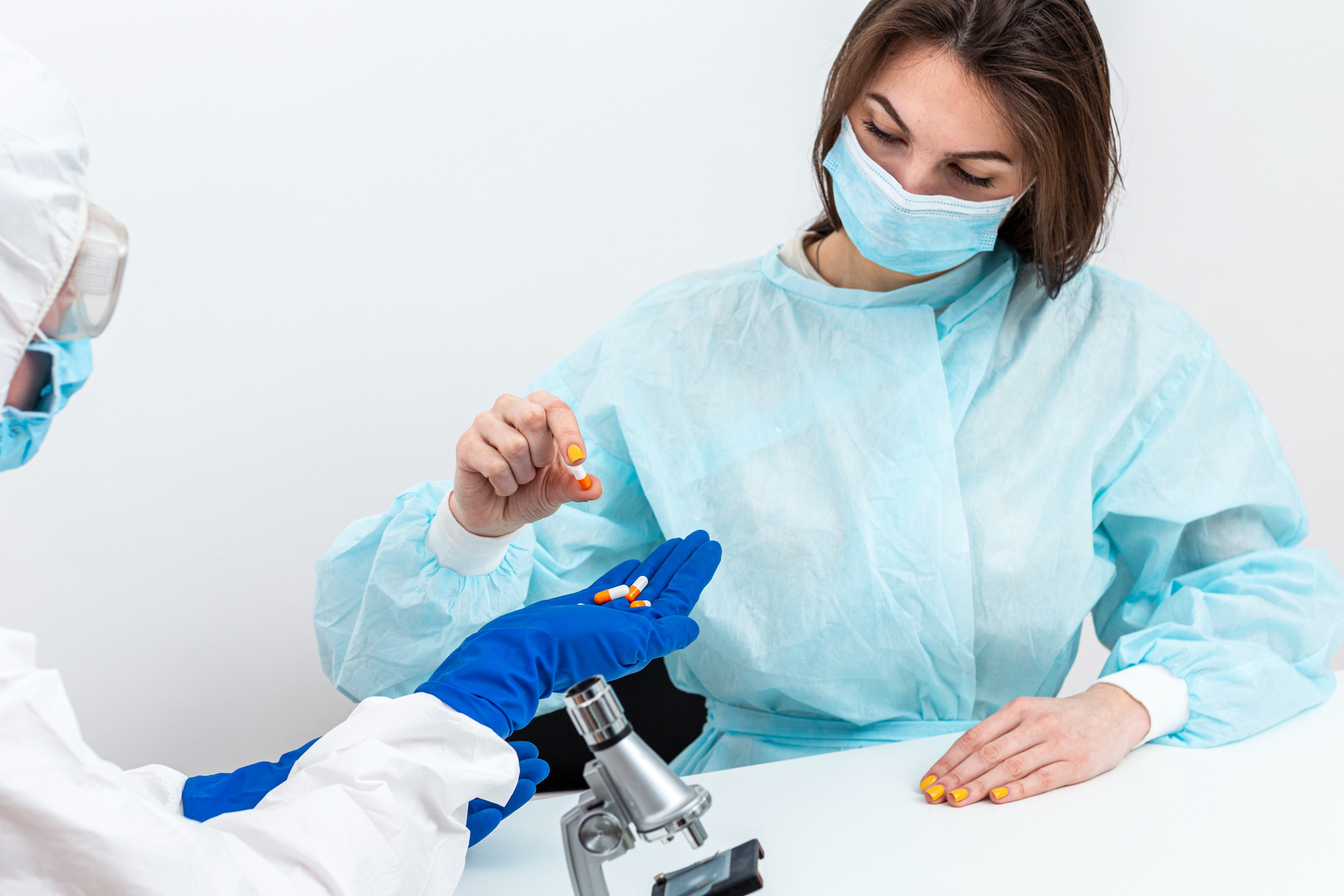
In the initial months, your body is effectively rebuilding its immune system, making it essential to prioritize hygiene and avoid environments that increase the risk of infection. Small, consistent steps—such as frequent handwashing and careful monitoring of energy levels—are the foundation of a safe transition back to your daily routine.
Dietary habits play a critical, often underestimated, role during this period. Because the immune system is in a vulnerable state, focusing on nutrient-dense, well-cooked meals helps the body repair tissues and prevents food-borne illnesses. Proper protein intake is essential for muscle maintenance and overall strength, serving as the fuel your body needs to produce new, healthy blood cells efficiently.
Mental health and emotional well-being are equally important components of your recovery. It is common to feel overwhelmed by the complexities of post-transplant care, and it is vital to communicate these feelings openly with your care team. Engaging in gentle, doctor-approved physical activity can help boost your mood and improve stamina, ensuring that you feel supported not just physically, but psychologically as well.
Long-term success relies on consistent follow-up care and surveillance. Regular check-ups allow for the early detection and management of any potential side effects, ensuring that your new immune system is functioning optimally. As your blood counts stabilize over time, you will find yourself gradually reclaiming your independence, leading to a life that is both active and sustainable.